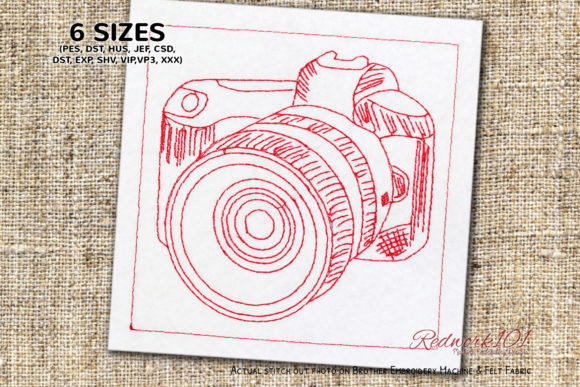
DSLR Camera Embroidery Design: A Photographer's Tool in Thread
When you first see this DSLR Camera with Lens design, its appeal is immediate. It’s not just a technical drawing; it captures the silhouette and personality of a photographer's essential tool with a clean, graphic charm. The mood it creates is one of creativity, precision, and passion for craft—the perfect thematic fit for makers, photographers, and their admirers. The level of detail strikes a good balance; it’s recognizable without being overly complex, which is a gift for embroidery where too many tiny elements can become muddy.
The First Impression: Where This Design Naturally Belongs
This design feels like it belongs on a project for someone who sees the world through a lens. I immediately picture it on a custom tote bag for a photography workshop, embroidered on the chest pocket of a relaxed sweatshirt for a creative entrepreneur, or as a thoughtful gift on a pillow cover for a friend who just opened their own studio. Its visual personality is professional yet approachable, making it suitable for both personal keepsakes and small shop merchandise. For an Etsy seller specializing in niche gifts for hobbyists, this design could be a standout item.
How It Performs in Real Embroidery Projects
Let’s walk through a real scenario. Imagine you’re preparing a batch of embroidered caps for a local photography club. You load the DSLR Camera with Lens embroidery file, hooping a sturdy cotton cap. The design’s shape is generally compact, but the lens barrel and body outline are the key areas. On a curved surface like a cap, the clean lines should translate well, provided you use adequate stabilizer to handle the stretch. On a flat surface, like a tea towel or an apron for a camera enthusiast, it becomes a fantastic decorative accent. The potential here is broad: from baby clothes for the newborn of a photographer (a sweet “future shutterbug” nod) to a professional patch for a camera bag.
For apparel decorators, this design works beautifully on custom apparel like polo shirts or t-shirts, especially if the recipient’s passion is known. As a handmade product, it adds significant perceived value because it’s a specific, meaningful symbol rather than a generic shape. For a boutique selling handmade goods, a series of products featuring this embroidery could build lovely brand consistency around a creative, artisanal theme.
Where This Design Demands Careful Consideration
Like any machine embroidery design, success depends on thoughtful application. The note about the optional box stitch is crucial. That outer border is a design choice; skipping it gives you a cleaner, more integrated look on many fabrics. Since the color of that box can vary, always check your file previews. This is particularly important on dark fabric backgrounds. You’ll want strong thread color contrast for the camera body to pop.
Be mindful of small hoop sizes. If you try to shrink this design too much for a tiny baby item or a delicate corner of a kitchen towel, the lens details and any subtle curves might lose clarity. Similarly, on very textured fabrics like a thick blanket or a loosely woven tote bag, the fill stitch areas need proper density to look solid. Stitch density is your friend here—test on scrap fabric first to ensure the design isn’t too dense for thin fabrics or too sparse for textured ones.
For products destined for frequent washing, like sweatshirts or baby clothes, ensure the embroidery is secure. The design isn’t overly sprawling, which helps, but always use the correct stabilizer and consider a slightly tighter fill stitch to withstand wear.
The Impact on Your Craft Business and Customer Engagement
Using a design like DSLR Camera with Lens intelligently elevates your work. It speaks directly to a community, increasing recognition and engagement. A customer browsing your Etsy listings for a personalized gift sees this and instantly knows it’s made with understanding. That builds trust. For digital product sellers offering this as an embroidery file, its clear, usable appearance in printable mockups is a strong selling point. It looks like a professional design asset.
The giftability is high. Whether for a wedding gift for a couple who loves photography, a holiday gift for a hobbyist, or nursery decor for a creative family, it feels considered. It avoids the hype of generic marketing because its value is inherent in its subject matter.
Practical Notes for the Embroidery Designer
Before you run this design for a client project or list it in your craft business, do your due diligence. Always test the embroidery design on a scrap of your target fabric first. Check the thread color palette—does it need adjustments for light or dark fabric? Review the stitch density in your software preview. Confirm the necessary hoop size for the detail level you want. Inspect small details like the lens outline; a running stitch here might need to be precise.
It’s a great practice to test the design in black and white mockups to see how it holds up without color. This helps judge its form. Remember, the box stitch is optional; decide if it adds to or distracts from your final product vision. Use proper stabilizer; for stretchy fabrics or caps, a firm stabilizer is often essential.
Finally, a critical step for any commercial embroidery or digital product sellers: confirm the licensing terms for this embroidery file before selling finished items or including it in your digital product shop. Understand whether it’s cleared for both personal and commercial projects. This protects your business and respects the designer’s work.
In the end, the DSLR Camera with Lens embroidery design is a strong, thematic choice. It’s a design that, when stitched with care onto the right product, tells a story. It celebrates a craft—both the craft of photography and the craft of embroidery—making it a wonderfully fitting project for makers who appreciate tools, detail, and creative expression.