Bringing Gentle Strength to Handmade Gifts: A Review of the Hammer Embroidery Design
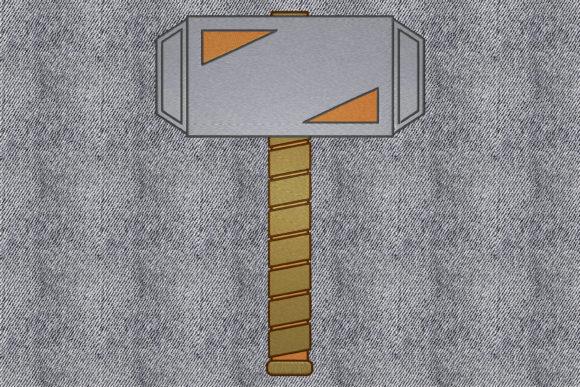
In my work as a embroidery designer for personalized products, I look for designs that carry emotional weight while being technically sound. When I saw the Hammer embroidery design on Creative Fabrica, my first thought was about its unexpected softness. This isn't about raw power; it's about strength in a gentle, decorative form. The design feels cozy and classic, with a handmade charm that translates beautifully into a tangible gift. It has a balance of clean lines and subtle detail that promises a polished stitch-out without being overly dense or intimidating for various fabrics.
The Emotional Craft: Where the Hammer Design Finds Its Heart
Embroidery connects us to the stories behind objects. A hammer, as a symbol, speaks to building, fixing, and creating—foundations, both literal and metaphorical. This makes the design profoundly versatile for meaningful gifts. Imagine it on a pillow for a new homeowner, a tote bag for a craftsperson, or a towel set for a couple who just renovated their first home. The emotional appeal is in its quiet representation of care and capability.
For baby embroidery and nursery decor, think beyond the literal. A hammer can symbolize the building of a family, a new life. Stitched onto a blanket’s corner or a simple wall hanging, it becomes a sweet, modern keepsake. For wedding gifts, it could adorn an apron or a set of kitchen towels, representing the building of a home together. The design’s style isn’t overly masculine or feminine; it’s simply elegant and adaptable, which is key for gifts that resonate personally.
Real Projects: From Etsy Shop to Gift Box
Let’s translate this into real products. As a small business owner selling on Etsy or at craft fairs, you need designs that photograph well and feel high-value in a buyer’s hands.
- Pillow covers and blankets: The Hammer design, with its likely balanced stitch density, should handle the thicker fabric of a pillow cover well. On a baby blanket, consider using a lighter-weight thread and a sturdy stabilizer to prevent puckering on the stretchy knit.
- Embroidered towels and aprons: Towel texture can be tricky. The design’s details should be clear enough to stand out against the terry loops. A successful stitch-out here immediately elevates a simple towel into a cherished family keepsake.
- Tote bags and personalized home decor: This is where the design shines for commercial embroidery. It’s a statement piece that’s not too large, perfect for a tote bag pocket or a canvas wall hanging. It adds perceived quality and a handmade presentation that buyers love.
- Custom gift boxes and printable mockups: For digital product sellers, this machine embroidery design can be part of a broader offering. Use the stitched product in your photography to show a finished, professional look that builds customer trust.
Practical Embroidery Judgment: Stitching the Hammer Design Successfully
Your technical approach defines the final product’s quality. Based on the description stating it comes in multiple embroidery file formats and is for items like pillows and sweatshirts, I can offer some hands-on advice.
First, always create a test stitch-out. This is non-negotiable. Use a fabric similar to your target project—perhaps a spare towel scrap or a piece of blanket material. This test reveals everything.
- Check small details: Examine the design’s lines and shapes after stitching. Are they crisp? This will tell you if you need to adjust your stabilizer choice.
- Thread color contrast: On dark fabric, like a navy sweatshirt, choose a bright, contrasting thread so the hammer symbol pops. On light fabrics, a classic navy or charcoal can look sophisticated.
- Stabilizer choice and washing durability: For items that will be washed, like towels or baby clothes, use a stabilizer that washes away or dissolves cleanly. Ensure your stitch density isn’t so high that it makes the fabric stiff or prone to wear.
- Fabric texture and hoop size: For textured towels, a firmer stabilizer is key. Before committing, confirm the hoop size required by this design on its Creative Fabrica product page. Matching the hoop to your project’s scale is essential.
Remember, the product description mentions it comes with multiple embroidery file formats. This is crucial for machine embroidery design compatibility. Before starting, review the available formats to ensure they work with your machine. Also, thoroughly review the product details and licensing on Creative Fabrica before selling finished products to understand the commercial use terms.
The Gifted Finale: How the Hammer Design Engages and Delights
When you stitch this design onto a final product, you’re creating an object of emotional value. A pillow with this emblem isn’t just a pillow; it’s a personalized gift for a father, a DIY enthusiast, or a new homeowner. The clean, classic execution of the design contributes directly to its giftability. It looks intentional and professional, not hastily applied.
For buyer engagement, especially in online shops, photographs of the hammer stitched onto a crisp apron or a soft baby blanket tell a story. They show thoughtfulness and skill. This design, by being both symbolic and aesthetically pleasing, helps your handmade product stand out. It adds a layer of narrative that buyers are eager to purchase and recipients are thrilled to unwrap.
In the end, the true worth of a digital embroidery file like Hammer is in its transformation from pixels to thread. My review, based on a designer’s perspective, is that this design from the Work category holds that potential. It’s a tool for your craft, allowing you to build beautiful, personalized products that carry a whisper of strength, a touch of care, and the undeniable warmth of something made by hand.