The Line of Life: An Embroidered Symbol for Your Craft Booth
As a designer preparing for a weekend market, I look at every embroidery file with a critical eye. It’s not just about aesthetics; it’s about practicality, production speed, and that crucial first impression from a customer walking by your booth. Today, I'm reviewing the Line of Life machine embroidery design. This is a real-world evaluation, focused on how this design translates into sellable craft fair products.
First Impression: Quietly Modern & Meaningful
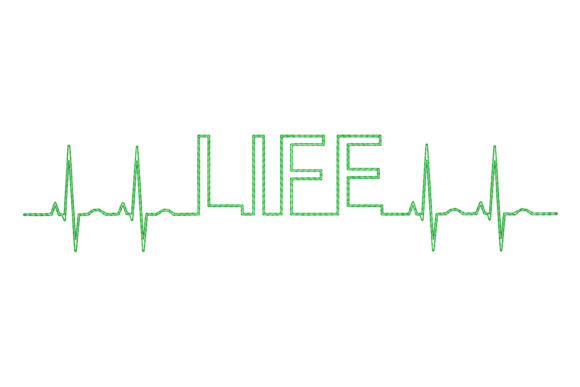
The title Line of Life suggests something symbolic, perhaps a continuous path or a heartbeat. For an Awareness-themed design, this points toward elegance and quiet meaning rather than bold, loud graphics. In a booth filled with vibrant, funny, or rustic designs, this one would stand out as more minimal and premium. It feels modern and soft, which is a powerful niche. Customers seeking a thoughtful, decorative gift—not just a cute slogan—will be drawn to it.
This mood dictates its best product matches. It won’t scream from a distance like a festive design, but it will captivate someone taking a closer look at your display. That means we need to place it on items where detail is appreciated.
Product Performance: Where The Line of Life Shines
Let’s walk through the typical craft fair table. Where does this design earn its spot?
Premium Home & Gift Items
For pillow covers and delicate tea towel embroidery, the Line of Life is a perfect fit. The design’s likely elegance elevates these everyday items into giftable handmade products. On a linen pillow or a high-quality cotton towel, it conveys a sense of craftsmanship. A small fabric pouch or a minimalist market bag would also carry this design beautifully, turning a simple utility item into something special.
Wearables with Careful Placement
On tote bags and aprons, the design can work, but size and placement are key. As a larger focal point on the center of a tote, it could look stunning if the details are clear. For apron embroidery, a smaller, tasteful placement on a corner or pocket might be more effective than a huge central logo. Caps present a challenge due to their curved surfaces; tiny details can get lost. You’d need to test the design scaled up to ensure it remains legible and attractive on that textured, structured fabric.
The Embroidered Patch Opportunity
If the design is not overly dense, creating an embroidered patch from the Line of Life could be a brilliant move. Patches are versatile, low-cost to produce in batches, and appeal to a wide audience. A symbolic, well-made patch on display can draw customers into deeper conversation about your brand and the design’s meaning.
Practical Production: Selling Points & Pitfalls
Turning a digital embroidery file into a stack of finished products requires foresight.
Clarity & Scalability
The description mentions it comes with multiple embroidery file formats, which is essential for different machines and hoop sizes. Before any batch production, you must test the design on scrap fabric at various sizes. Check for tiny details or small lettering that might blur or break up when stitched small for a pouch, or become overly dense and time-consuming when stitched large for a pillow. A design that loses clarity at smaller sizes loses its selling power.
Stitch Density & Fabric Choice
Stitch density is a silent production cost. Very dense areas mean longer stitch times, more thread, and potential challenges on thicker fabrics like denim tote bags or textured towels. You must use the right stabilizer to maintain quality across different fabric textures. Also, check thread contrast. On dark fabric, does the design require a bright white or light thread to pop? This affects your material choices and inventory. Always create at least one real mockup on the final product fabric—a printable mockup for your Etsy listing is good, but the physical sample is truth.
Batch Production & Visual Consistency
Does the Line of Life feel repeatable? For a successful craft fair, you often need multiples of a popular item. A design that is too complex or slow to stitch can bottleneck your production. If it stitches cleanly and reliably across 10 tea towels, it’s a good candidate for batch work. This consistency also builds your brand consistency—customers recognize a cohesive look across your booth.
The Craft Fair Booth Strategy
How does this design help you sell?
Customer Attention & Product Value
The Line of Life, by its likely nature, won’t be the loudest design in your booth. Therefore, give it a prime spot where its quality can be seen. Place that beautifully embroidered pillow at the front of the table, or hang an apron with the design prominently displayed. The handmade quality of the stitching should be evident, increasing the perceived value. Engage buyers by briefly explaining the “Awareness” theme or the meaning behind the name; it creates a story that enhances engagement.
Booth Display Strength
Mix products featuring this design. A cluster of Line of Life items—a pillow, a towel, and a patch displayed together—creates a mini-collection that tells customers this design is important and versatile. This strengthens your overall display and makes your table look curated and professional.
Final Designer Notes Before You Stitch
My last advice, from years of doing this: never skip the prep work. For the Line of Life, and any commercial embroidery design you intend to sell, your process is key.
- Confirm commercial licensing. The description states it’s a machine embroidery design for your products, but always verify the license terms before selling finished products to ensure you’re compliant.
- Review spacing and hoop size. Match the design files to your available hoops. A design that requires a very large hoop might limit the products you can make.
- Inspect stitch density on your test piece. Look for puckering or tension issues that need adjustment.
- Compare fabric colors. Stitch the design on a few different background colors you plan to use. See how it feels on light vs. dark fabrics.
- Finally, consider your customer. The Line of Life feels like a design for someone looking for meaning and subtle decoration. It’s a small shop product with a premium appeal. If it stitches well and looks exquisite in person, it could become a quiet bestseller at your next craft fair, attracting the right buyers and elevating your entire handmade product line.