Evaluating the Happy Helicopter Embroidery Design for Market Success
As someone who has spent countless weekends at craft fairs and countless hours building an embroidery business, I know that selecting the right machine embroidery design is the first critical step toward a profitable table. Today, I’m reviewing the Happy Helicopter design, a high-quality embroidery file described for use on pillows, t-shirts, and sweatshirts, to see how it might perform in the real world of handmade products.
First Impressions: The Mood and Market of Happy Helicopter
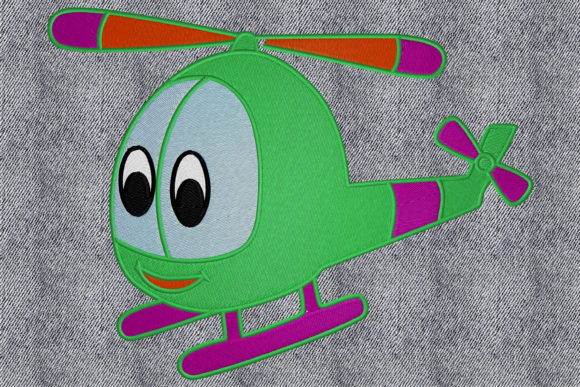
The title alone, Happy Helicopter, sets a clear tone. This isn’t a technical or military design; it’s cute, playful, and inherently friendly. It falls into the Toys category perfectly, but its appeal is broader. It feels decorative, soft, and giftable—ideal for the handmade market where emotion drives purchases. This cheerful, approachable mood is its biggest strength. In a booth crowded with rustic or farmhouse designs, a Happy Helicopter could stand out as a bright, whimsical accent that catches the eye of a customer looking for something uniquely delightful.
Where Happy Helicopter Shines: Product Application Breakdown
Let’s move from theory to practice. Where would I actually stitch this embroidery file to maximize sales?
Top Contenders for Craft Fair Products
- Tote Bags & Market Bags: A medium-sized Happy Helicopter on a canvas tote becomes an instant focal point. It’s easy to understand at a glance, making the bag feel like a fun, special purchase rather than just utilitarian.
- Children’s & Baby Items: Given its Toy essence, this design is perfect for small pillow covers, fabric pouches, or lightweight baby blankets. It adds premium, handmade quality to simple items.
- Tea Towels & Aprons: As kitchen decor, it works. However, its success on textured towels depends on stitch density and clarity. A clean, bold version would sell; a too-detailed one might get lost.
- Embroidered Patches: This is a standout idea. A Happy Helicopter patch is immediately giftable, collectible, and easy for customers to visualize adding to a backpack or jacket. It’s also a lower-cost, high-appeal booth item.
Products Requiring More Careful Consideration
- Caps: The curved surface of a cap can distort designs. Unless the Happy Helicopter is adapted for a curved hoop and has simplified details, it might not translate well.
- Dark Fabric T-Shirts: The “happy” mood relies on lightness. On dark fabric, thread contrast becomes paramount. You’d need bright, possibly white, thread to maintain its cheerful feel.
- Small Accent Items: If the design has tiny details or small lettering, reducing its size for a pouch or cap corner might cause a loss of clarity. Always test on scrap fabric first.
The Production Reality: From Digital File to Finished Product
Turning a digital embroidery file into a batch of sellable craft fair products requires practical scrutiny.
Selling and Production Points
Visual Comprehension: A good market design is understood instantly. Happy Helicopter likely passes this test—it’s a single, recognizable object with an clear emotional tone (happy). This helps it photograph well for Etsy listings and grabs attention in a busy booth display.
Batch Production Potential: Is it repeatable? If the stitch density is reasonable and the total stitch count isn’t excessive, producing multiple tote bags or patches becomes efficient. High density on thick fabrics like sweatshirts can lead to production slowdowns.
Photography & Online Sales: For Etsy sellers and digital sellers using printable mockups, the design’s clear silhouette and friendly character will show well. It should create appealing design assets for your listings.
Essential Embroidery Designer Checklist
- Test on Scrap Fabric: Always run the design on a scrap of the actual fabric you plan to use—be it canvas for totes or terrycloth for towels.
- Check Thread Contrast: Experiment with thread colors against your planned fabric colors. Does “happy” come through on navy blue?
- Review Hoop Size & Stabilizer: The description mentions multiple embroidery file formats, which is excellent. Confirm the hoop size needed for your target product and pair it with the correct stabilizer, especially for tricky fabrics like textured towels or curved caps.
- Inspect Stitch Density: Look for very dense stitch areas that might pucker on lightweight fabrics or require excessive time.
- Create One Real Mockup: Before batch production, make one finished product—a tote bag or patch—to judge the handmade quality and physical appeal.
- Confirm Commercial Licensing: The description says it “can be used.” For small shop owners and boutique makers selling finished products, you must explicitly confirm the license allows commercial embroidery. Do not assume.
Strategic Booth Placement and Customer Engagement
Imagine your craft fair table. You have aprons, tea towels, patches, caps, and pillow covers displayed. Where does the Happy Helicopter product live?
I would place it front and center on a dedicated “Gifts & Playful Finds” section. An embroidered tote bag with this design could be your booth sample—something tactile and eye-catching. A basket of Happy Helicopter patches near the cash box invites an easy add-on purchase. Its visual appeal creates buyer engagement because it sparks a smile and a story (“My grandson loves helicopters!”). This emotional connection increases perceived product value.
For brand consistency, if your shop leans toward whimsical or child-friendly items, Happy Helicopter strengthens that identity. If your brand is more elegant or rustic, it might serve as a strategic accent product to broaden your customer base.
Final Thoughts on the Happy Helicopter for Creative Entrepreneurs
The Happy Helicopter machine embroidery design presents a compelling opportunity for craft fair sellers and handmade shop owners. Its inherent cute and decorative mood aligns perfectly with the gift-driven handmade market. Success, however, hinges on practical application.
Focus on products where its clarity and cheerfulness are maximized: tote bags, patches, children’s pillow covers, and light aprons. Be meticulous in your production tests, especially regarding fabric texture and thread contrast. Always verify the commercial use license for your digital embroidery file.
With careful execution, the Happy Helicopter can become a reliable, attention-grabbing part of your booth, turning a digital file into tangible smiles and sales.