Desert Embroidery: A Designer’s Review for Real Projects
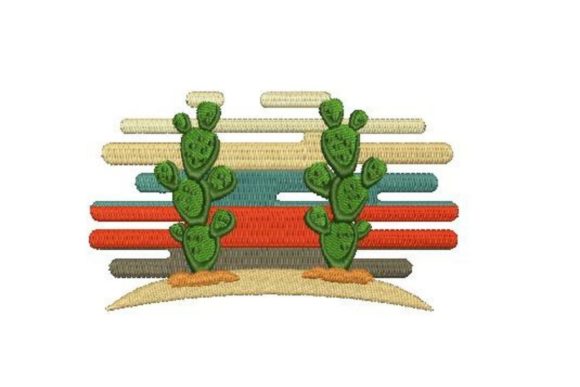
When a design named Desert lands in your library, you immediately start picturing where it belongs. It’s not just a file; it’s a potential finished product, a future gift, or a new item for your shop shelf. My first impression of this design is exactly what the title promises: a beautiful, stylized desert scene centered on two cactuses, those symbols of resilience and supreme heat. The layout feels balanced, not overly busy, with a personality that’s both serene and a little bold. It doesn’t scream; it quietly states its theme, which makes it incredibly versatile.
The Mood It Stitches: Where This Design Naturally Belongs
The visual personality of Desert is clean and graphic. This isn’t a hyper-realistic, detailed botanical illustration; it’s more of a charming, almost iconic representation. That means it creates a mood that’s friendly, approachable, and perfectly suited for everyday items. I instantly think of it on a natural canvas tote bag for a plant-loving friend, or as a subtle accent on the sleeve of a linen shirt. For crafters and small business owners, this opens doors. It would feel right at home on a kitchen towel in a rustic-themed set, or as a single, striking element on a baby’s organic cotton blanket for nursery decor. Its appeal is broad—it’s not tied to a specific season, making it a solid year-round embroidery design for your craft business.
Thinking Through a Real Project: The Custom Tote Bag Scenario
Let’s walk through a real case. Imagine I’m preparing a custom embroidered tote bag as a personalized gift. I’ve chosen a sturdy, medium-weight cotton canvas. My goal is a design that’s recognizably ‘desert’ but not so dense that it becomes stiff or dominates the bag. Desert, with its two cactuses and likely clean outlines, seems ideal. I’m considering stitch types—if it uses satin stitches for the cactus shapes and perhaps fill stitches for the sun or ground elements, the result should have good clarity without being too heavy for the fabric. The value here is in the handmade presentation: a single, well-executed design on a useful item feels thoughtful and professional, increasing both customer trust and the item’s giftability.
Performance Across Products: From Sweatshirts to Digital Mockups
This design’s performance in real-life embroidery projects hinges on its detail level and layout. For custom apparel like sweatshirts or t-shirts, I’d be confident it would stitch out cleanly, provided proper stabilizer is used. The scene isn’t overly intricate, so small details like cactus spines should remain clear, avoiding a muddy look on textured fabrics. As an Etsy seller, I’d also consider it for embroidered patches—its contained, likely symmetrical shape makes it a great candidate for a standalone patch to appliqué onto caps or aprons.
For small shop merchandise like pillow covers or tea towels, it adds a touch of thematic branding without being overwhelming. In the realm of digital product sellers, this embroidery file serves as a strong design asset. Its clear shapes would translate well into printable mockups for your listings, helping buyers visualize the final finished product on a hat or baby item. The fact that it comes in multiple embroidery file formats is a practical advantage, ensuring broader machine compatibility for your clients or your own machines.
Spaces for Careful Consideration
Every design has its sweet spot and its challenges. With Desert, areas that require careful planning include very small hoop sizes. If the design has any fine elements, scaling it down too much might lose the stitching clarity of those cactus lines. Similarly, on dark fabric backgrounds, you’ll need to think about thread color contrast—a pale sun on a black sweatshirt might need a color adjustment to pop. On stretchy fabric or thin fabric like a lightweight t-shirt, the overall stitch density becomes key. A design with heavy fill areas could distort the fabric or feel uncomfortable. And for curved surfaces like caps, the layout’s width and height matter; a too-wide design might not fit the cap panel well.
Also, for products destined for frequent washing, like baby clothes or kitchen linens, you want a design that’s secure. Reviewing how the elements are stitched—whether there are long running stitches or delicate single-line details—will help you gauge its durability after many washes, affecting long-term customer satisfaction.
The Practical Designer’s Checklist Before You Hoop
Before I commit this design to a client’s wedding gift pillow cover or a batch of holiday embroidery gifts for my boutique, I follow a personal routine. It’s not just about the file; it’s about the real-world outcome.
- Test on scrap fabric first. Always. Use the same fabric and weight as your final project to see how the stitch density behaves and if any small details blur.
- Check thread color contrast. Run a mental (or actual) test for both light and dark backgrounds. Does the design hold its visual personality on both?
- Confirm the hoop size required. While the product description mentions multiple formats, the physical size is crucial. Does it fit your intended product area?
- Inspect the small details. Zoom in on the file preview. Are there tiny corners or very thin lines that might require perfect tension to stitch cleanly?
- Use proper stabilizer. Match the stabilizer to your fabric. This is non-negotiable for maintaining the design’s sharpness on custom apparel or personalized gifts.
- Consider licensing for commercial use. If you’re an Etsy seller or creative entrepreneur planning to sell the finished items, always confirm the licensing terms of the digital embroidery file before proceeding.
This process turns a digital file into a reliable finished product. It builds brand consistency for your handmade product line and ensures the visual appeal you promise in your mockups is the same one that arrives at your customer’s door.
A Final Note on Value and Engagement
From a commercial perspective, Desert as an embroidery design offers solid value. Its theme is recognizable yet not overly niche, which helps with buyer engagement. A customer looking for a southwestern vibe, a simple nature motif, or just a clean, pretty design for a gift can all see its potential. For us as designers and makers, that versatility is gold. It allows one embroidery file to serve multiple purposes across your craft business: a tote bag design, a sweatshirt embroidery, a baby embroidery on a romper, or a holiday embroidery gift like a decorated tea towel set. By handling it with the practical care I’ve outlined, you transform it from a simple scene into a professional, beloved element of someone’s day—which is, after all, the real point of the stitch.