Child Doll with Dress: An Embroidery Designer's Review for Personalized Gifts
As a professional embroidery designer, I spend a lot of time testing new designs before offering them to my customers. Today, I’m reviewing the Child Doll with Dress machine embroidery design, imagining it applied to real, heartfelt gifts. My goal is to see if it holds up as a finished product that would delight a recipient and satisfy a maker.
First Impressions: Charm, Detail, and Emotional Pull
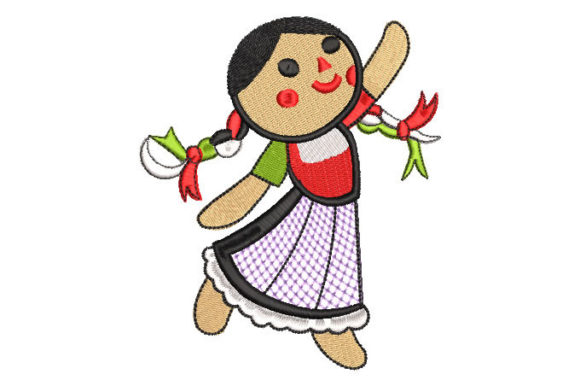
The moment I opened this embroidery file, its charm was immediately apparent. The design feels wonderfully sweet and classic, with a handmade warmth that modern digital designs sometimes lack. The level of detail in the doll’s dress suggests a thoughtful, playful elegance, perfect for projects meant to evoke nostalgia or celebrate new beginnings. It’s not overly seasonal or trendy, which gives it a timeless quality—a design you could use year-round for meaningful gifts.
The emotional appeal is strong. This isn’t just a decorative motif; it’s a symbol of childhood, innocence, and care. For a customer seeking a personalized gift, that emotional connection is the entire point. The design feels romantic in a familial sense, ideal for celebrating a child or honoring a memory.
From File to Finished Product: A World of Applications
In my test scenario, I’m considering a customer who wants a unique, embroidered baby blanket for a newborn. The Child Doll with Dress would be a perfect focal point. But its applications go far beyond baby embroidery.
Think of a kitchen towel embroidered as a wedding gift for a couple who loves a vintage, homey aesthetic. Imagine it on a pillow cover for a nursery, or on a custom tote bag for a mother. It could grace an apron for a grandmother, or become a delicate detail on a wedding keepsake like a handkerchief. For crafters and small business owners, this design opens doors to numerous product lines.
- Baby Products: Blankets, burp cloths, nursery wall hangings, and delicate clothing accents.
- Wedding & Family Gifts: Towels, pillow covers, table runners, or framed embroidered art.
- Home & Personal Decor: Aprons, tote bags, tea towels, and throw pillows.
- For Your Business: It’s a versatile option for craft fair products, Etsy listings, or custom order previews for clients wanting a sentimental touch.
The key is the personalization. You’re not just selling an embroidered towel; you’re selling a memory-ready heirloom.
Where Careful Planning is Essential
While the description says this wonderful design is very beautiful embroidered with any type of fabric, practical experience tells me some applications need extra forethought.
If the design includes small lettering or very delicate details, test it first on the actual fabric you plan to use. Textured fabrics like linen, or thick towels, can obscure fine lines. Stretchy baby clothes require excellent stabilizer and possibly adjusting the stitch density. Embroidering on a curved surface, like the bodice of a baby dress, demands careful hooping.
Dark fabric is a classic challenge. Thread color contrast is paramount here. A light, creamy thread on a dark navy blanket would make the Child Doll with Dress pop beautifully, but you must check that the stitch coverage is sufficient to prevent the background fabric from showing through in small areas.
Finally, consider the product’s life. Items like kitchen towels or baby blankets need frequent washing. A robust stitch density and quality threads will ensure the design remains beautiful for years, building customer trust in your handmade product’s quality.
The Giftability Factor: Value, Trust, and Connection
How does this design affect the finished product’s perceived value? Significantly. A generic appliqué feels mass-produced. An embroidered Child Doll with Dress feels considered and custom. That perceived handmade quality directly increases giftability and justifies a higher price point for small shop products.
For product photography—so crucial for Etsy sellers and digital product sellers—this design provides a lovely, focused subject. It tells a story in the photo, which drives buyer engagement. A customer browsing for a baby gift sees not just a pillow, but a storytelling pillow. That emotional connection is your strongest sales tool.
Practical Embroidery Notes for a Successful Stitch
Before running this machine embroidery design on a client’s order, I follow a strict personal protocol. It saves time, materials, and reputation.
- Test on Scrap Fabric: Always. Use the same fabric and stabilizer combination as the final project.
- Check Thread Color Contrast: Do mockups with both light and dark background fabrics. Sometimes a slight color change from your first instinct makes the design shine.
- Confirm Hoop Size: While the product description mentions it comes with multiple formats, I always verify the specific hoop size I intend to use is available in the file set before purchasing or starting.
- Review Stitch Density: A quick stitch-out reveals if the density is appropriate for your fabric. Too dense on a thin cotton might cause puckering; too light on a towel might look sparse.
- Use Proper Stabilizer: Match the stabilizer to the fabric’s weight and stretch. This is non-negotiable for professional results.
- Check Small Details After Stitching: Look closely at the smallest elements once stitched. Are they clear? Do they need a minor adjustment in thread type or tension?
- Confirm Commercial Licensing: If you plan to sell the finished embroidered products, you must verify the digital embroidery file’s license terms. Never assume.
Missing details like exact stitch count or specific file formats in the description are a reminder to ask or check before you commit. A professional embroidery business thrives on predictability.
Final Thoughts for the Maker Community
The Child Doll with Dress design is a delightful tool for anyone creating personalized gifts. Its classic sweetness makes it adaptable, and its emotional resonance makes it valuable. For baby product creators, wedding gift designers, and everyone in between, it offers a beautiful way to add a handmade, personal touch to a functional item.
My review, from the perspective of testing for a gift shop, concludes that this design performs well as a concept. Its true performance, however, will always depend on your skill and preparation as the maker. Test it, stitch it with care, and pair it with high-quality materials. When you do, you’ll create a finished product that not only attracts a customer seeking a meaningful gift but also delivers an heirloom they’ll cherish.