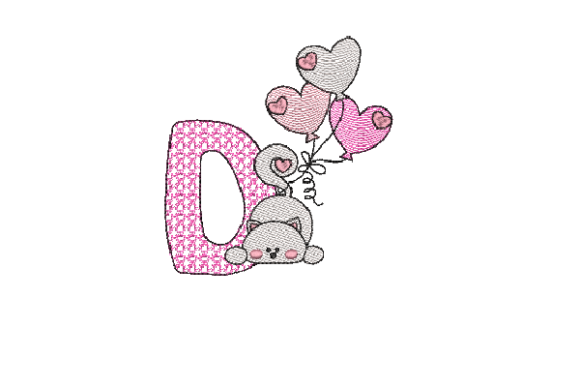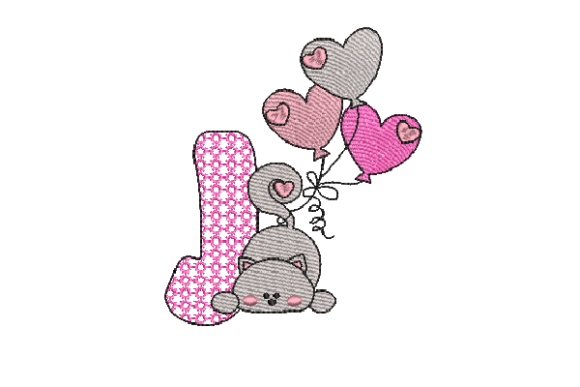
A Review of the Letter J Cat Sketch Embroidery Design
As an embroidery designer preparing for a craft fair, every design I select for production must pass a tough review. It needs to look good, stitch efficiently, and sell quickly from a booth display. Today, I’m evaluating the Letter J Cat Sketch embroidery file, considering its real-world application on products like tote bags, aprons, and patches for a weekend market.
First Impressions: Minimal Charm with Major Impact
The Letter J Cat Sketch design immediately strikes me as soft, minimal, and decorative. The description notes it's designed to look hand-drawn with light fill and little underlay. This suggests a sketch-like, almost premium quality—not overly cute or rustic, but elegantly simple. It feels modern and giftable, a style that consistently appeals to customers looking for something unique yet understated. For a cats category design, this approach is clever; it avoids cliché and leans into artistic appeal, which can elevate a simple tea towel into a boutique-worthy item.
Product Performance: Where This Design Stands Out
My booth table will feature a range of handmade products. I visualize where the Letter J Cat Sketch would shine.
Tote Bags, Market Bags, & Fabric Pouches
This is a prime candidate. The sketch style, with its light stitch density, will look beautiful and organic on canvas or linen totes. It won’t add excessive weight or stiffness, maintaining the bag’s functionality. The design is likely quick to stitch out, making batch production for several bags practical. As a focal point near the bag’s top, it’s easy to understand at a glance—a cat curled into a "J"—which is perfect for grabbing customer attention across a busy fair.
Aprons & Kitchen Textiles
For aprons and tea towels, this design hits the farmhouse-modern crossover trend. On a textured towel, the "lightly filled" characteristic is crucial; dense designs can get lost or feel rough on terry cloth. This should retain clarity. I’d recommend testing on a dark fabric apron, however. Sketch-style lines might need strong thread contrast (a bright white or cream) to pop. It’s an elegant alternative to typical kitchen embroidery.
Caps, Patches, & Small Accent Items
The Letter J Cat Sketch could work as a smaller accent on a cap curve or as a standalone embroidered patch. However, the "hand-drawn" detail and any small lettering within the "J" must be checked. On a curved cap surface or at a reduced size for a pouch, tiny details might lose clarity. Always stitch a test patch on scrap fabric first. If it holds up, it becomes a versatile small shop product for multiple applications.
Pillow Covers & Giftable Home Decor
Here, the design feels most premium. A single Letter J Cat Sketch on a linen pillow cover conveys a custom, handmade quality. It’s decorative without being loud, fitting into a cohesive brand story for a creative entrepreneur. This is where the design’s artistic mood adds tangible value, allowing a higher price point.
Practical Production & Selling Points
Turning a digital embroidery file into profitable craft fair products requires a practical lens.
Ease of Production & Batch Stitching
The note that it’s "quick to stitch out with a major impact" is the most promising line for a seller. Speed is revenue at a fair. Lower stitch density means faster runs, less thread usage, and fewer hoop changes. I can produce a batch of tea towels or tote bags efficiently. Still, always confirm the actual hoop size required before planning your products. A design that fits a common, smaller hoop (like 4x4) is a goldmine for quick patches and pouches.
Photographing for Online Sales
For my Etsy seller listings and printable mockups, this sketch style should photograph beautifully. The minimal lines create clear, high-contrast images that look professional online. Creating at least one real, physical mockup is essential—photograph it on a real tote bag in good light. This authentic image will outperform digital mockups in customer engagement.
Customer Attention & Booth Display
In a crowded booth, designs need visual hierarchy. The Letter J Cat Sketch, placed on a neutral-toned tote bag or pillow, acts as a subtle attractor. Its clever concept (letter as cat shape) invites closer look and conversation, boosting buyer engagement. It’s not a loud, festive design, so I’d display it among other minimal, elegant items to reinforce a cohesive brand aesthetic.
Careful-Use Notes for the Embroidery Designer
Real-world application brings specific challenges. Here are my professional notes for using this file.
- Test on Scrap First: Always stitch the design on a scrap of your intended fabric—a textured towel, a thick canvas, a dark cotton—to check thread contrast and clarity.
- Stabilizer Choice: A sketch-style, light-fill design may still require appropriate stabilizer, especially on stretchy or textured fabrics, to prevent distortion.
- Small Sizing Risk: If reducing the design for a cap or small pouch, meticulously check that the hand-drawn lines and any letter details remain crisp and connected.
- Fabric Color Comparison: The design’s impact depends on contrast. Plan your product color palette (linen, white, grey, dark navy) around thread colors that will make it stand out.
- Commercial Licensing: Before selling any finished product, confirm the digital embroidery file includes a commercial license. This is a non-negotiable step for any commercial embroidery business.
Final Judgment for the Craft Fair Table
The Letter J Cat Sketch embroidery design is a strong contender for my handmade market lineup. It carries a modern, artistic mood that translates well to high-demand products like tote bags and pillow covers. Its production-friendly description suggests efficiency, which is key for batch work. Its visual appeal is subtle but engaging, perfect for customers seeking quality over quirk.
My recommendation is to focus it on tote bag design and tea towel embroidery as primary revenue drivers, with patches and pouches as secondary, testing-dependent items. It will strengthen a booth display centered on elegant, handmade gifts. For any embroidery business owner, this design represents a thoughtful blend of aesthetic appeal and practical production—exactly what you need before the fair opens.