A Real Designer's Look at the 'Thankful' Embroidery Design
When you’re sourcing designs for a customer order or a new product line, a pretty picture online isn’t enough. You need to know how it will perform on the machine, on the fabric, and in the hands of your customer. I recently considered the ‘Thankful’ embroidery design from Creative Fabrica for a batch of Thanksgiving-themed kitchen towels and tote bags. This review isn’t a sales pitch; it’s my honest evaluation as a professional, looking at its potential for real handmade and commercial projects.
First Impressions: Warmth and Decorative Charm
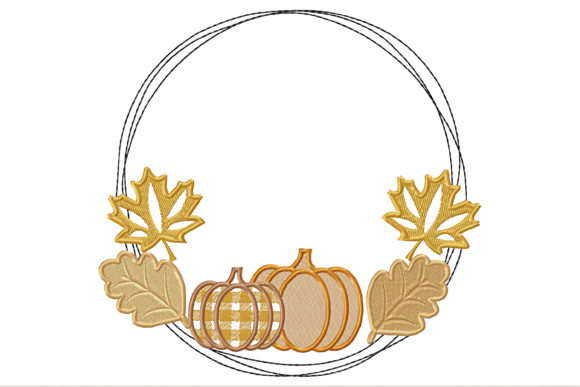
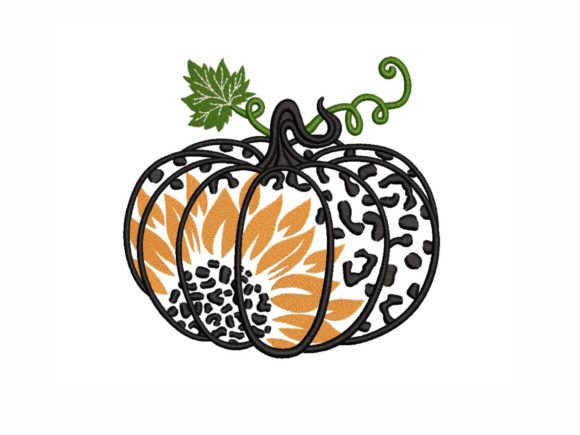
The ‘Thankful’ design immediately communicates a warm, handcrafted mood. It has that decorative, illustrative quality that feels personal rather than generic, which is exactly what customers look for in seasonal handmade gifts. The detail level appears balanced—not so minimalist that it lacks impact, but not overwhelmingly dense that it becomes a stitching challenge on lighter fabrics like tea towels or baby blankets. Its personality leans towards a grateful, cozy aesthetic, making it a natural fit for projects meant for the home or as personal wear.
Where This Design Finds Its Natural Home
In practical terms, I envisioned ‘Thankful’ on several real-world items. For custom apparel, like sweatshirts or aprons, it would serve as a focal point. For home goods, such as pillow covers or nursery decor, it adds a seasonal touch without being overly kitschy. Its appeal is broad: an Etsy seller could use it for a limited-edition Fall collection; a small boutique might apply it to branded merchandise; and an apparel decorator could offer it as a custom option for family gifts.
Thinking specifically about embroidery surfaces:
- Tote bags and pillows: The design’s size and style would likely center well on these flat, stable surfaces.
- Caps and curved surfaces: This depends entirely on the provided hoop size. Smaller, simpler versions would be ideal; a large, intricate design might not adapt well to the curve.
- Baby items and kitchen towels: For these often-washed products, stitch density and durability are key. A design with very dense fill stitches might be too stiff for a baby blanket, but a balanced one would hold up beautifully.
- Patches and standalone gifts: ‘Thankful’ has the visual completeness to work as an embroidered patch or a framed hoop art piece.
The Practical Stitching Considerations
This is where a design’s digital file meets the physical world. Based on the product description mentioning multiple embroidery file formats, compatibility should be good, but you must always confirm the exact formats on the Creative Fabrica product page before purchase for your specific machine.
For a successful stitch-out, several factors need attention:
- Small details and lettering: If the design includes tiny script for ‘Thankful,’ you must test it on scrap fabric first. Satin stitches on small letters can merge or break on textured fabrics.
- Stitch density: High density in fill areas can cause puckering on stretchy fabrics like sweatshirt material or lead to a stiff hand-feel on towels. Proper stabilizer choice is non-negotiable.
- Fabric color contrast: The design’s mood might shift on dark versus light fabric. Creating printable mockups or testing thread color combinations is crucial for product photography and buyer trust.
- Layered details: Check how elements overlap. Clean layering speaks to quality; messy overlaps can ruin the handmade presentation.
Always test on a scrap of your project fabric with the same stabilizer you plan to use. This simple step reveals everything about hoop size suitability, thread tension, and final appearance.
Adding Value to Your Products and Brand
Using a design like ‘Thankful’ isn’t just about decoration; it’s about enhancing product value. A well-executed embroidery elevates a simple towel into a giftable keepsake. It increases visual appeal in your Etsy listings or craft fair display, directly engaging customers looking for that special, seasonal item.
For brand consistency, if your shop specializes in warm, handmade aesthetics, this design could reinforce that style. For commercial embroidery clients, offering a tested, reliable seasonal design builds trust—they know you’ve vetted its performance. The ‘Thankful’ design, if it stitches out cleanly, contributes to a professional finished product that looks intentional and well-made.
Essential Pre-Production Checklist
Before committing this design to a customer order or a production run, I follow a disciplined process:
- Download and inspect the embroidery file in my software to check the actual stitch construction.
- Verify the exact licensing terms on the Creative Fabrica product page for my intended use (personal vs. commercial sale).
- Stitch a test sample on both a light and a dark scrap of my target fabric.
- Critically inspect the test: Are small details crisp? Is there excessive thread buildup? Does the fabric distort?
- Choose thread colors that complement both the design and the final product’s color scheme.
- Confirm the minimum hoop size required and ensure my project base can accommodate it.
This checklist saves time, materials, and ensures the final embroidered product meets the standard your customers expect.
Final Thoughts for Creative Entrepreneurs
The ‘Thankful’ embroidery design has the visual charm to be a contender for your Fall and Thanksgiving projects. Its potential success, however, hinges entirely on its technical execution as a machine embroidery design. The product description suggests versatility with multiple file formats, which is a positive starting point.
My recommendation is straightforward: if you work in the niche of seasonal decor, handmade gifts, or custom apparel, this design is worth a closer look. Do not assume it will work perfectly for every application. Its true worth will be determined by your own test stitch-out on the specific items you create—whether that’s a cozy sweatshirt, a rustic apron, or a set of elegant pillow covers.
Approach it as a professional: verify the details, test it thoroughly, and only then integrate it into your product line. When a design performs well under that scrutiny, it becomes not just a digital asset, but a reliable partner in building your creative business.