A Hands-on Review of the Heart in Hand Embroidery Design
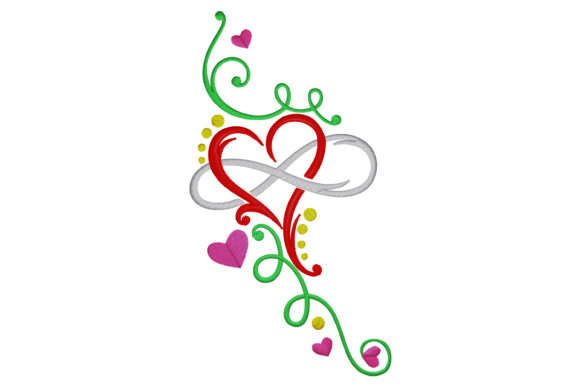
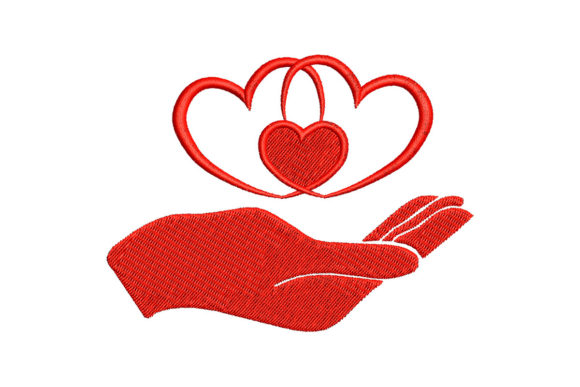
When you see the Heart in Hand embroidery design, the first thought isn't about technical specs—it's about mood. This isn't an aggressive or overly ornate design. It's gentle, sincere, and quietly romantic. The theme is clear without shouting, and the layout feels balanced, almost like a sketch someone might doodle in a love letter. That soft personality is its biggest strength. It doesn't scream "Valentine's Day" in a tacky way; instead, it whispers "affection," making it suitable for projects well beyond a single holiday.
The Natural Habitat: Where This Design Finds Its Home
In my mind, I immediately picture it stitched onto a canvas tote bag for a boutique. The design has a hand-drawn charm that elevates a simple bag into a thoughtful gift item. It would also be perfect centered on a tea towel or apron—something functional yet decorative in a kitchen. For a crafter making personalized gifts, imagine this embroidered onto a baby blanket or a child's sweatshirt, where the "hand holding a heart" motif feels protective and sweet, not just romantic. For a small business owner, this could become a signature piece for a line of custom apparel aimed at couples or families.
The real test, however, is on darker fabrics. I've found that designs with this kind of open, illustrative feel can lose definition on black or navy if the stitch density isn't robust. While the description says it's easy to stitch on any fabric, my professional instinct is to advise a test run on a dark scrap first. Check the thread color contrast. A bright white or a pale pink might pop beautifully, but a mid-tone red could get lost.
Practical Performance on Real Products
Let's talk about a real-life scenario: you're an Etsy seller preparing a batch of embroidered pillow covers for the holiday season. You choose Heart in Hand. On a light linen, it will stitch out with a lovely, clean clarity. The risk areas would be any tiny, intricate lines—the fingers of the hand or the small details of the heart shape. On a textured fabric like a sweater or a thick sweatshirt, those fine lines might need extra stabilizer to stay sharp. For a product like a cap, with its curved surface, the design's relatively central focus should hoop well, but you'd want to confirm the overall size fits your available hoop.
This design affects product value directly. On a well-made item, it adds a layer of handmade presentation that customers associate with care and quality. It boosts giftability because it feels personal without needing a specific name. For a creative entrepreneur, using a consistent, tasteful design like this across a range of products—totes, towels, maybe even patches—builds brand consistency. It looks professional, not generic.
Caution Zones: Where to Proceed with Care
Despite its friendly description, every design has its limits. For Heart in Hand, I'd be cautious on very small hoop sizes. If the design file is sized down too much, those delicate details could become a muddle of dense stitches. Thin or stretchy fabrics, like lightweight t-shirts, will demand excellent stabilizer and possibly a lighter stitch density to prevent puckering. Similarly, for items destined for frequent washing—like kitchen towels or baby clothes—you need to ensure the stitch structure is solid enough to withstand wear without fraying.
Also, consider the commercial use. The description mentions it comes with multiple files, which is promising. For anyone looking to sell the finished product or use it in client projects, the crucial step is to confirm the licensing before you stitch a single item for sale. Never assume.
Embroidery Designer's Notes for Success
- Always test on scrap fabric first. This is non-negotiable.
- Review the stitch density in your software preview, especially in the heart's fill areas.
- Inspect the small details. Are the lines of the hand composed of running stitches or satin stitches? This changes the required stabilizer.
- Test the design in black and white mockups. How does it look as a stark graphic? This helps gauge its versatility.
- Compare it on light and dark backgrounds digitally to plan your thread palette.
- Use the proper stabilizer for your final fabric. A tear-away might suffice for a tote bag; a cutaway is safer for stretchy apparel.
- Check whether the embroidery file works for both personal gifts and commercial projects you intend to sell.
The beauty of a design like Heart in Hand is its emotional resonance. It's not just a graphic; it's a symbol. When stitched well onto a quality product, it creates a connection. It makes a sweatshirt feel like a keepsake, a tote bag feel like a statement. For makers and sellers, that connection is what turns a simple embroidered patch into a product with repeat customers. It’s a design that, with practical preparation, can become a reliable asset in your craft business toolkit, fitting seamlessly into projects for Valentine's Day, anniversaries, baby gifts, or simply as a mark of handmade warmth.